Children’s Playground Equipment to Improve Balance
Play equipment in schools is more than just fun – it’s a powerful way to help children develop essential physical skills. Our playground solutions are designed to improve balance, coordination and strength, giving pupils the confidence to explore, challenge themselves and enjoy active play safely.
From rope climbers and ladders to multi-pole structures and trim trails, every piece of equipment encourages children to move, stretch and engage their muscles while having fun. By supporting these key physical skills, schools can create play spaces that nurture healthy, confident and capable learners.
Playground Equipment for Balance
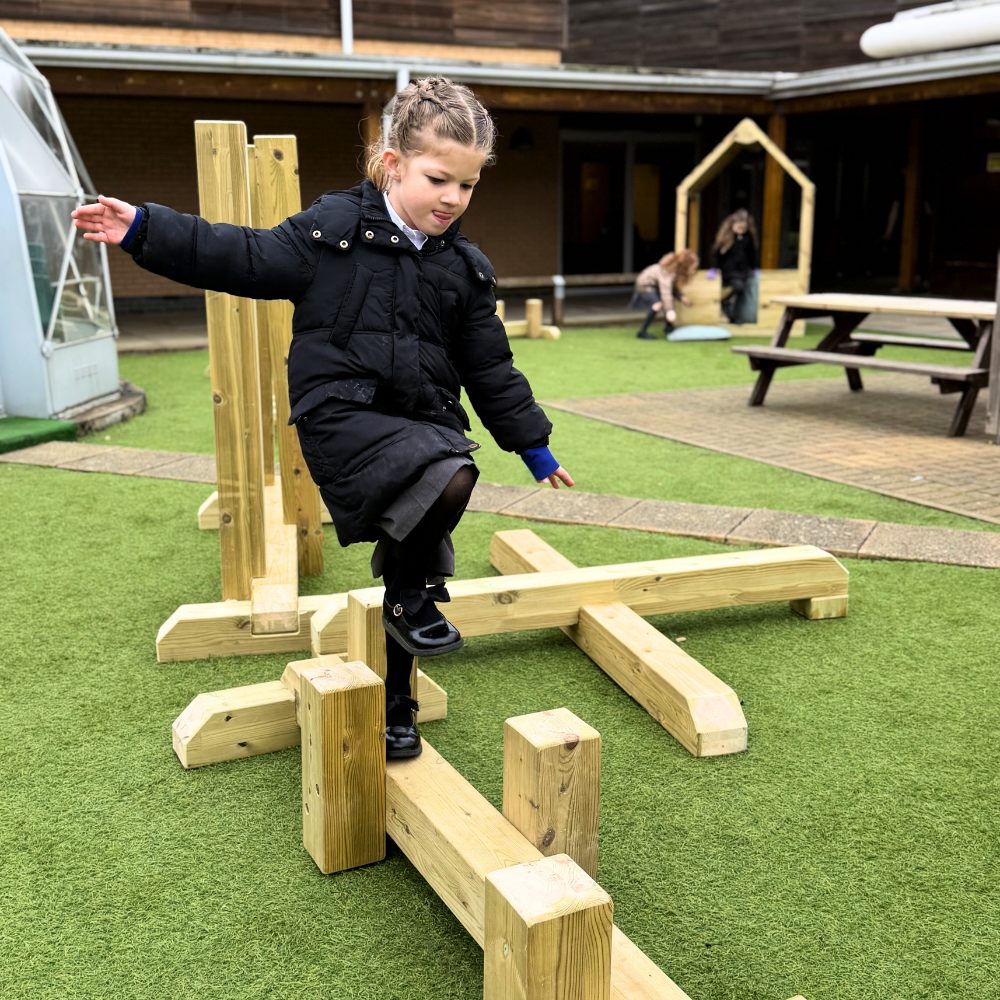
Balance is a key skill in childhood development, helping children gain confidence, coordination, and body awareness. Practicing balance strengthens muscles, improves posture, and supports overall physical development.
Balance is more than just staying upright – it’s a crucial part of a child’s overall development. From the moment children begin to crawl, walk, and run, balance helps them coordinate their movements, strengthen muscles, and develop body awareness. Good balance supports physical skills such as climbing, jumping, and navigating uneven surfaces, while also reducing the risk of trips and falls.
But the benefits of balance go beyond the physical. Practising balance encourages concentration, patience, and self-confidence. When children challenge themselves to master new movements, they learn persistence and develop a sense of achievement. Balance also lays the groundwork for more complex skills, from riding a bike and playing sports to dancing and performing everyday tasks with ease.
Supporting children in developing balance helps them grow stronger, steadier, and more independent – building a foundation for a lifetime of active, confident living.
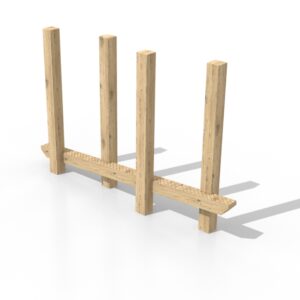
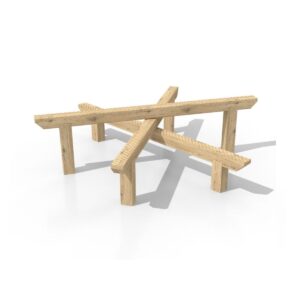
Below you’ll find just a few of our balance elements we offer in our range of playground equipment here at Everyday Play.



The Science Behind Balance – Why Children Need to Develop It
Balance is a fundamental aspect of human movement, relying on the integration of the vestibular system (inner ear), proprioception (body awareness), and vision to maintain stability and control. In children, developing balance is critical because these systems are still maturing, and practising balance strengthens the neural pathways that allow for smooth, coordinated movement.
Good balance supports gross motor development, including walking, running, jumping, and climbing. It also underpins fine motor skills, as children need stable postural control to reach, grasp, and manipulate objects effectively. Research shows that children who regularly engage in balance-challenging activities develop stronger core muscles, improved posture, and enhanced coordination.
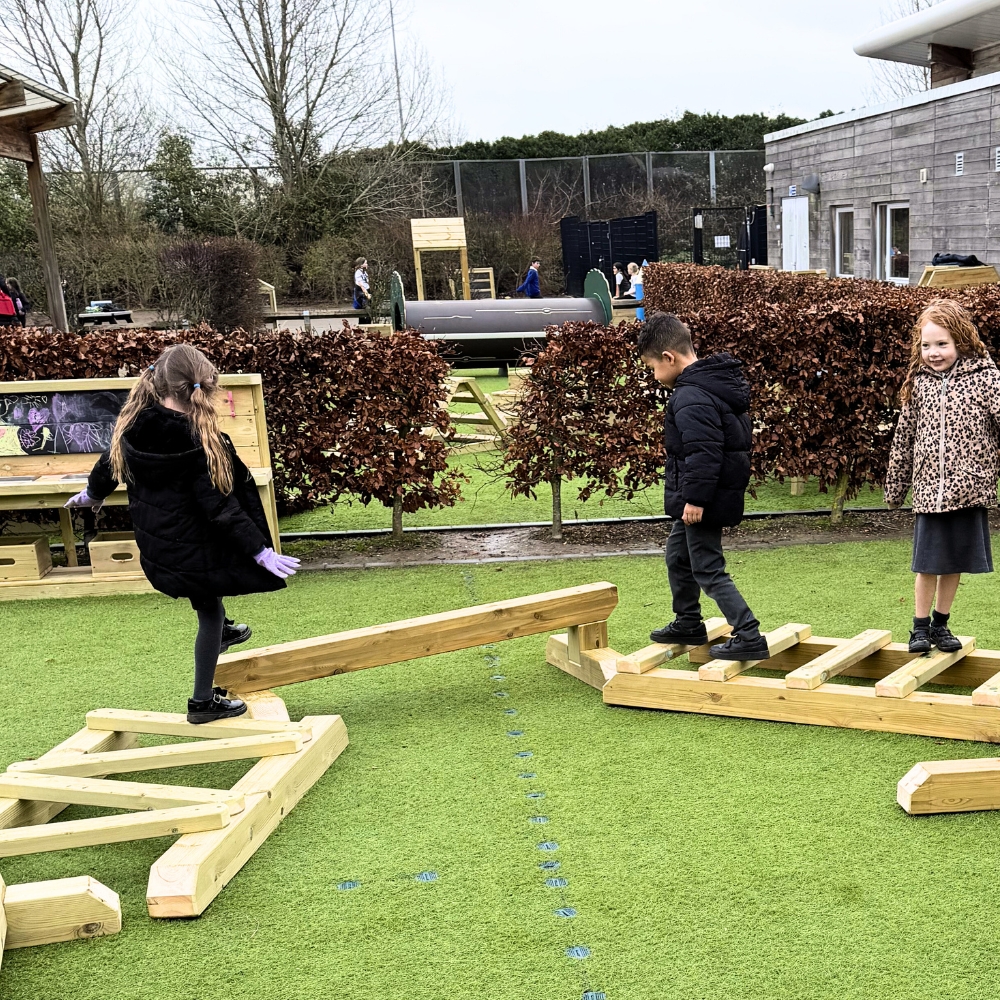
Beyond the physical, balance contributes to cognitive and emotional growth. Mastering new movements requires focus, spatial awareness, and problem-solving, while successfully maintaining balance builds confidence and resilience. Children who practise balance are better equipped to navigate both structured activities, like sports, and everyday challenges, like walking on uneven surfaces or stairs.
In short, balance is not just about staying upright. It is a cornerstone of healthy childhood development, supporting physical, cognitive, and emotional growth that lasts a lifetime.
What is Balance and How Can You Help Children Develop It?
Balance is the ability to maintain control of the body, whether standing still or moving. It relies on the coordination of muscles, the vestibular system in the inner ear, vision, and body awareness. Developing balance is essential for everyday movement, safe play, and physical confidence.
Early Years Foundation Stage (EYFS)
For younger children, balance is best developed through simple, fun activities that encourage exploration and movement. Activities such as standing on one foot, walking along a low beam, or hopping from one spot to another help strengthen muscles and improve stability. Providing opportunities for children to practise crawling, climbing, and rolling also supports core development and coordination.
Key Stage 1 (KS1)
Children in KS1 can begin to refine their balance through more structured activities. Games that involve balancing while moving, such as obstacle courses, hopping, or carrying objects across a path, help them improve control and confidence. Encouraging children to experiment with different movements, speeds, and surfaces supports both dynamic and static balance.
Key Stage 2 (KS2)
In KS2, children can develop advanced balance skills through more challenging activities. Using climbing frames, rope bridges, and balance beams allows children to strengthen core muscles and coordinate their movements. Incorporating sports, dance, or gymnastics into play helps them maintain stability during complex movements and improves proprioception, spatial awareness, and reaction time.
By providing age-appropriate challenges and opportunities for practice, adults can help children build strong balance skills. These skills not only support physical development but also boost confidence, coordination, and resilience, giving children a solid foundation for a lifetime of active play.