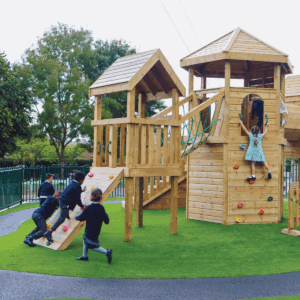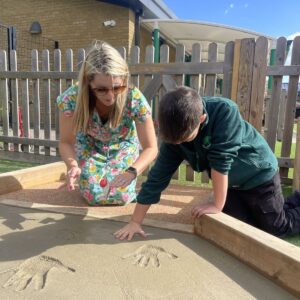

The demand for high quality outdoor learning has never been higher. Educators across the United Kingdom are increasingly recognising that the Forest School ethos provides a vital counterpoint to the digital world, offering children the chance to develop resilience, confidence, and a deep seated connection with nature. However, for many primary schools and nurseries, the prospect of upgrading an outdoor space can feel daunting. There is a common misconception that a meaningful transformation requires permanent structures, extensive landscaping, or a budget that runs into the tens of thousands.
At Everyday Play, we believe that every child deserves access to a stimulating outdoor environment. We have designed our freestanding product range specifically to meet the needs of educators who require durability and pedagogical value without the need for fixed foundations. If you have a budget of £4000, you can completely revitalise your Forest School provision. By opting for freestanding units, you retain the ability to adapt your site as your student numbers grow or your curriculum focus shifts.
Below is a comprehensive guide on how to strategically invest your budget to create a multi functional, inspiring Forest School zone.
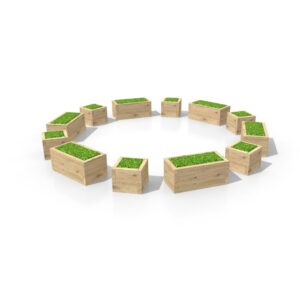
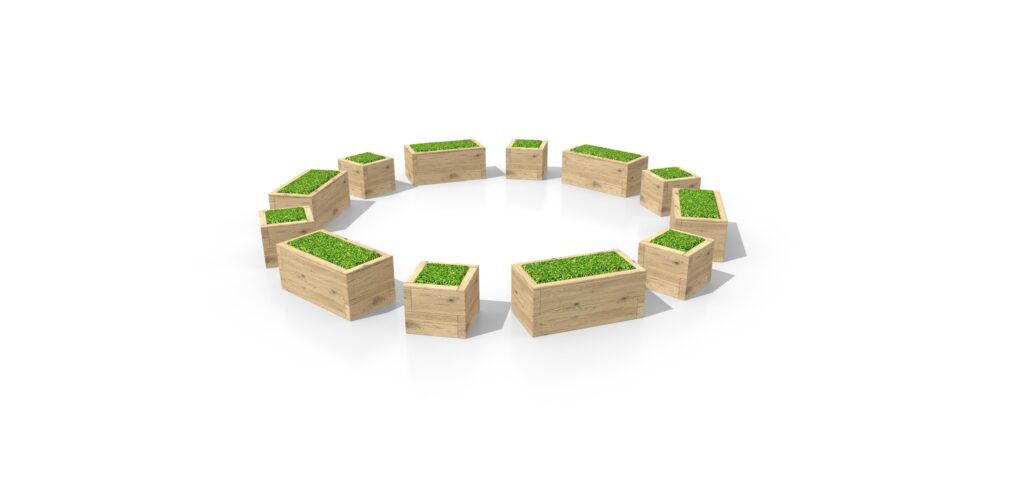
The Freestanding Artificial Grass Seating Circle (£1,350.00 +VAT) from our range is a transformative addition to any setting. By using artificial grass as a seating surface, we provide a tactile, comfortable area that remains usable throughout the British winter. It defines the “base camp” of your forest area, giving children a sense of security and belonging. Because it is freestanding, you can position it under the canopy of trees in the summer for shade, or move it to a more sheltered spot during the wetter months.
Encouraging Scientific learning through Messy Play
Mud play is far more than just a sensory experience. It is a fundamental building block of early years science and mathematics. When children mix soil and water, they are observing chemical changes, exploring viscosity, and learning about volume and weight through trial and error.
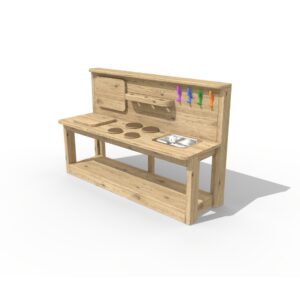
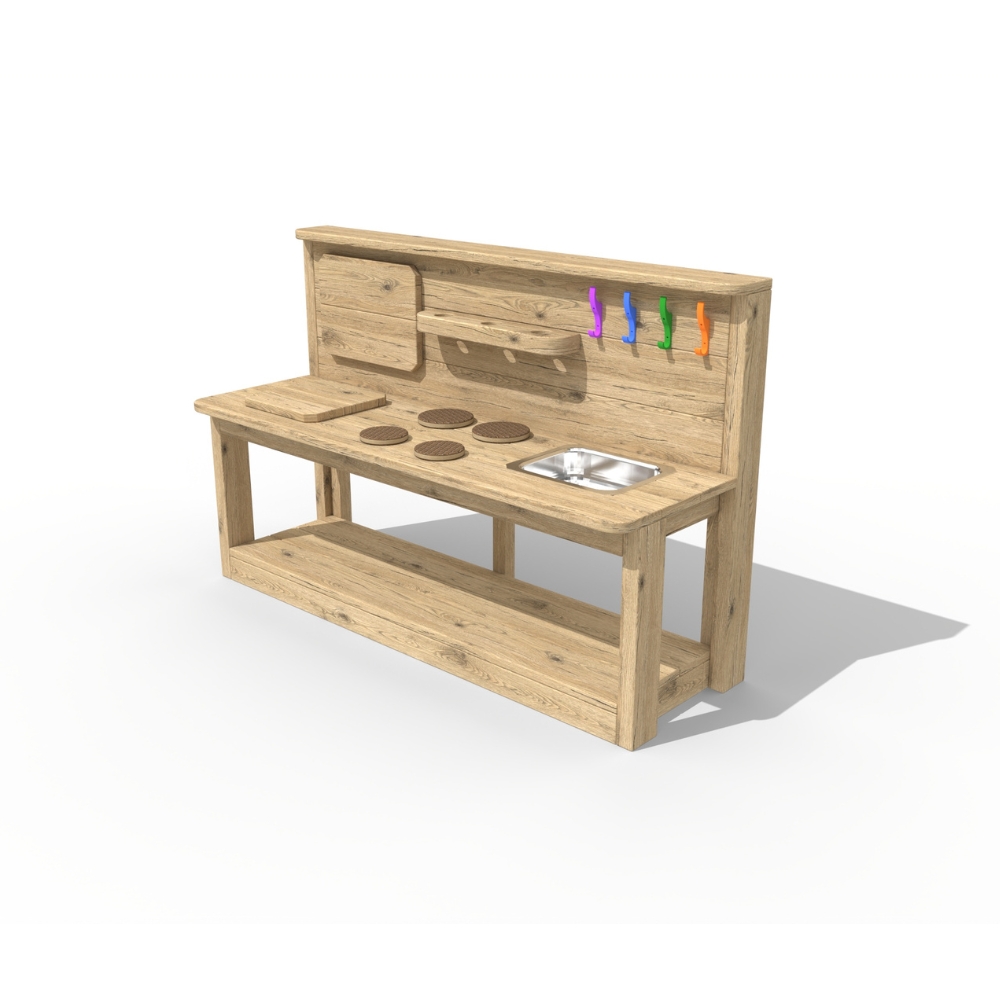
To facilitate this at a high level, we recommend the Freestanding 1.5m Mud Kitchen (£820.00 +VAT). Unlike smaller, domestic versions, this unit is built to withstand the rigours of daily use in a busy school environment. It provides ample space for collaborative play, encouraging children to communicate and negotiate as they “cook” and create.
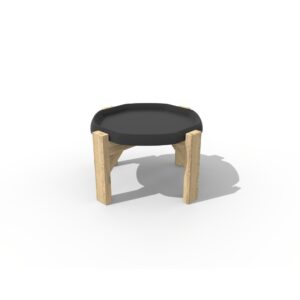
To expand this station and prevent the “bottleneck” effect that often happens during popular activities, the Freestanding Mud Mixing Table – Small (£184.00 +VAT) is an essential companion. It allows for a clear division of tasks, where one group of children can focus on the preparation of raw materials while others use the main kitchen for their imaginative role play. This setup mirrors a real world laboratory or kitchen, teaching children about process and organisation.
Integrating Practical Mathematics
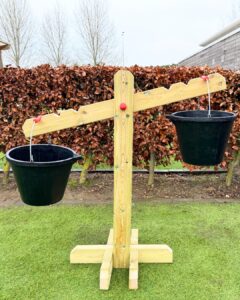
Bringing the curriculum outdoors is one of the primary goals of the Forest School movement. Mathematics often feels abstract in a classroom, but it becomes tangible when applied to the natural world.
Fostering Biodiversity and Environmental Stewardship
A Forest School should be a place where children learn to be guardians of the earth. Understanding the delicate balance of our ecosystem starts with the smallest inhabitants of the woods.
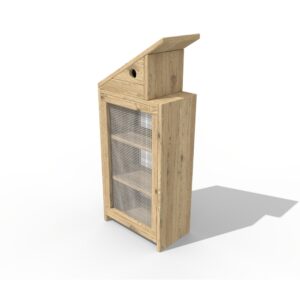
The Freestanding Small Bug House (£553.00 +VAT) serves as a permanent teaching tool for biology. By providing a dedicated habitat for solitary bees, lacewings, and beetles, you are creating a living classroom. Children can monitor which insects arrive at different times of the year, providing a wealth of data for “minibeast” projects. Having a designated structure also teaches children respect for habitats; they learn that they can observe life closely without needing to disturb logs or stones that serve as natural shelters.
Creating Spaces for Wellbeing and Reflection
While much of Forest School is about active exploration, the importance of quiet reflection cannot be overstated. Modern education can be fast paced and overstimulating. The outdoor environment offers a unique opportunity for “slow pedagogy,” where children are encouraged to simply be.
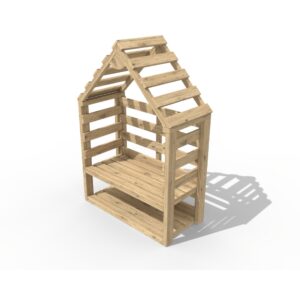
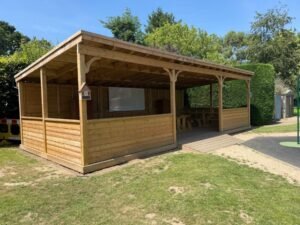
The Freestanding Children’s Seating Arbour (£687.00 +VAT) provides a secluded, beautiful spot for such moments. Whether it is used as a reading nook, a place for a quiet conversation between a teacher and a student, or a sanctuary for a child who feels overwhelmed, the arbour adds a layer of emotional support to your outdoor space. Its aesthetic design also enhances the visual appeal of your site, making it feel like a professional, well considered learning environment.
Managing Your Budget: The Breakdown
When planning your expenditure, it is vital to account for the total cost of ownership. The Everyday Play freestanding range is manufactured using high quality timber, ensuring that these items will serve your school for many years to come.