Playground design plays a vital role in how children learn, develop and engage with the world around them. While traditional learning often takes place indoors at desks, many children learn best through movement, exploration and play.
A well designed playground is not just a place for breaks and free time. It is an outdoor learning environment that supports physical development, early education, social skills and emotional wellbeing.
Understanding How Children Learn
Children do not all learn in the same way. Effective playground design recognises different learning styles and creates opportunities for every child to thrive.
Physical Learners and Active Learning
Many children are physical learners. They understand and remember information more effectively when they can move, jump, climb and explore.
How playground design supports physical learners:
Movement helps improve concentration and memory
Active play strengthens brain development
Learning becomes engaging and accessible
Example:
Phonics log hopping allows children to jump from log to log, each marked with a letter or phonics sound. As they land, they say the sound out loud. This combines physical movement with speech and repetition, reinforcing early literacy skills in a fun and memorable way.
Visual Learners and Outdoor Learning Spaces
Visual learners benefit from clear, colourful and well organised environments.
How playground design supports visual learners:
Large scale playground markings make learning visible and easy to follow
Colours, shapes and symbols reinforce key concepts
Visual prompts encourage independent play and discovery
Example:
Colour coded stepping stones for letters, numbers or shapes help children recognise patterns while moving through the playground.
Auditory Learners and Language Development
Some children learn best through listening, speaking and sound based activities.
How playground design supports auditory learners:
Open spaces encourage communication and group play
Outdoor environments reduce pressure and build confidence
Learning through sound feels natural and enjoyable
Example:
Children call out letter sounds as they jump, clap syllables while moving, or take part in group games that combine movement with speaking and listening.
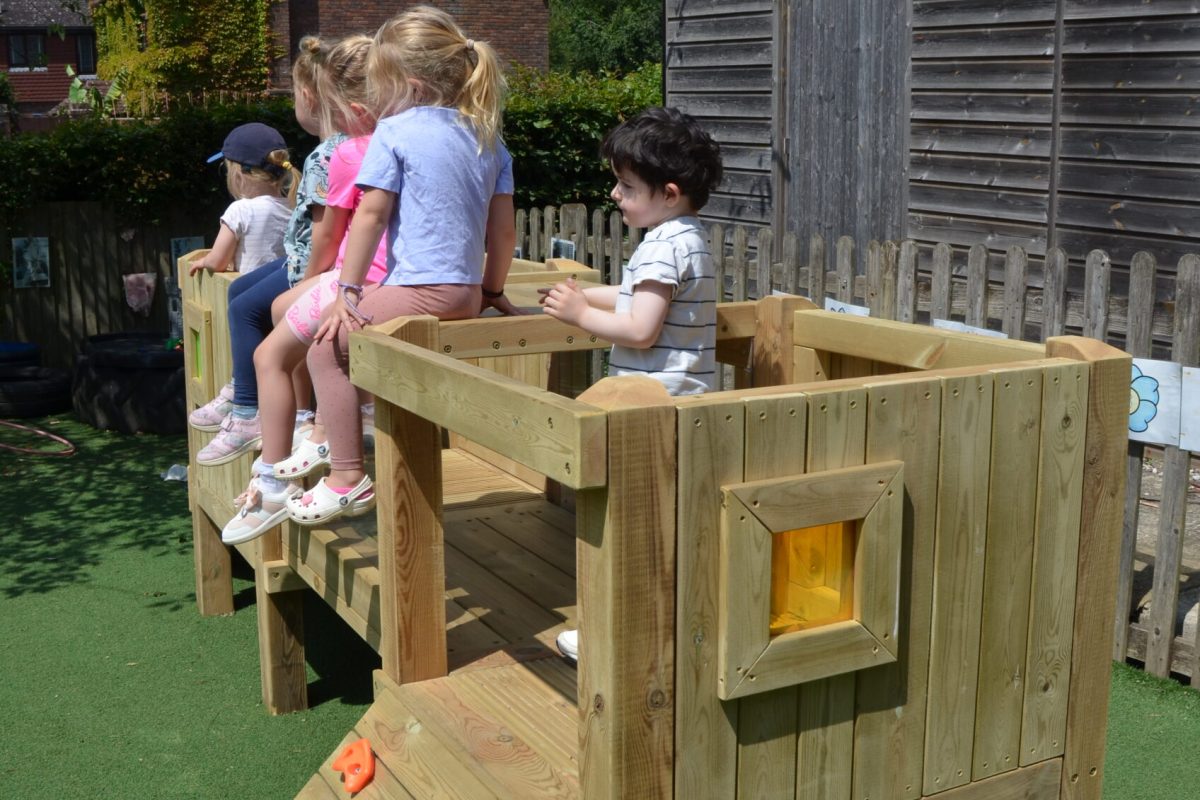
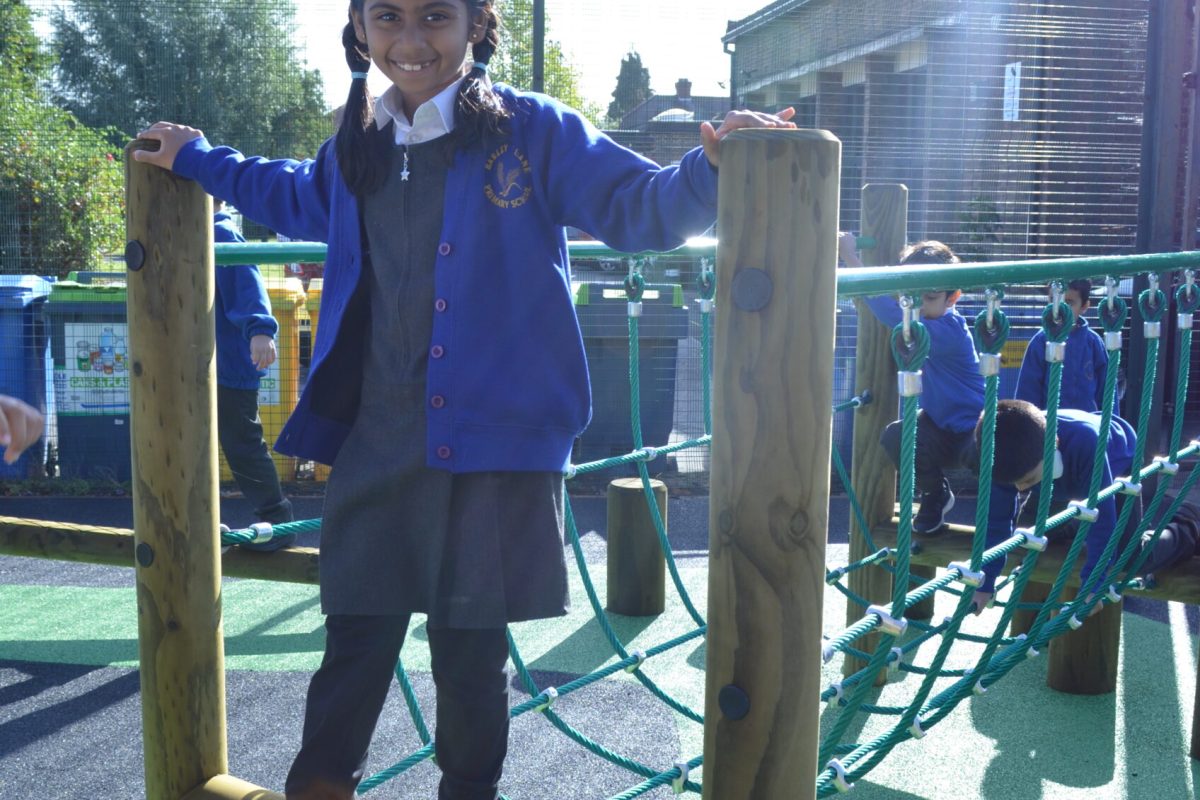
Supporting the Whole Child Through Playground Design
Good playground design goes beyond literacy and numeracy. It plays a vital role in supporting children’s social, emotional and sensory development, helping them grow in confidence and independence alongside their academic learning.
Social and Emotional Development
Playgrounds provide daily opportunities for children to develop essential life skills through shared play. When children interact with one another outdoors, they naturally learn how to take turns, cooperate, solve problems and negotiate. These experiences help build resilience and confidence, particularly as children learn to manage challenges and celebrate success together.
Group activities, imaginative play areas and shared equipment all encourage positive social interaction. Over time, these experiences help children develop strong communication skills and emotional awareness, both of which are crucial for learning and wellbeing.
Sensory and Inclusive Playground Design
Inclusive playground design is essential for supporting children with a wide range of needs, including those with SEND. Sensory rich environments help children regulate their emotions, feel secure and remain engaged in learning through play.
Features such as textured surfaces, balance beams, stepping logs and calm, quiet areas allow children to explore movement at their own pace. Repetitive and rhythmic activities can provide comfort and focus, while varied sensory experiences support coordination, confidence and independence. When children feel safe and supported in their environment, they are far more ready to learn.
Why Outdoor Learning Works
Children learn more effectively when learning is active and enjoyable. Outdoor play improves focus and behaviour, strengthens memory and understanding, and encourages curiosity and creativity. Movement helps children process information more deeply, while open spaces allow learning to feel relaxed rather than pressured.
When playground design encourages exploration and physical activity, learning becomes something children experience rather than something they are asked to sit still and absorb.
Playgrounds as Outdoor Classrooms
Thoughtful playground design supports early years frameworks and primary education goals by creating spaces where learning happens naturally through play. Well designed playgrounds cater to different learning styles, promote physical health and wellbeing, and enhance overall educational outcomes.
By offering inclusive and engaging environments, playgrounds become true outdoor classrooms where every child has the opportunity to thrive.
Play Is a Powerful Learning Tool
Play is not separate from learning. It is a fundamental part of how children understand the world around them.
By focusing on playground design that reflects how children actually learn, schools and settings can create outdoor spaces that inspire confidence, curiosity and a lifelong love of learning.
If you would like our professional playground designers to reimagine your outdoor space, get in touch!